
Our Backyard Garden in Late September: Harvests, Surprises & Plans for Next Year
Our Backyard Garden in Late September: Harvests, Surprises & Plans for Next Year
By late September, some of our biggest summer crops were finished, others were still producing, and I was already looking around the garden thinking about what I want to do differently next year.
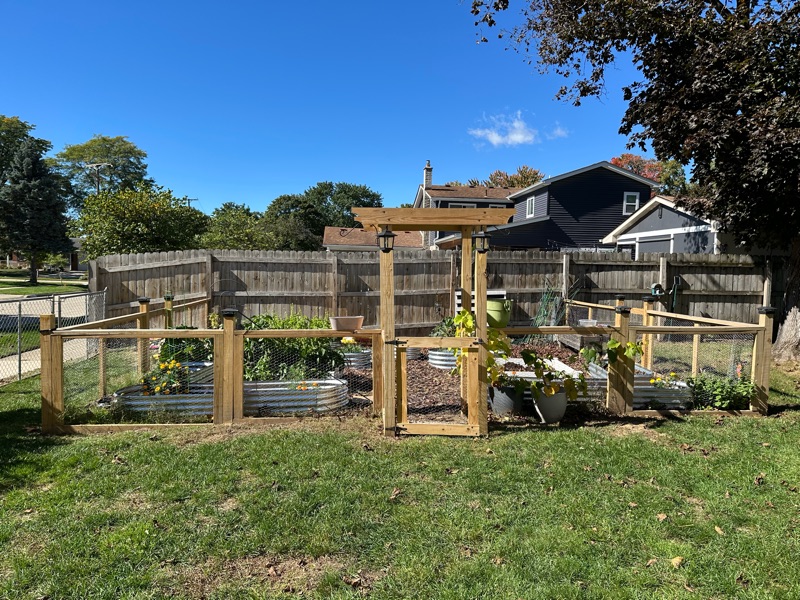
By October 5, the potatoes and tomatoes were out, and I could finally see open space in the garden again.
By late September, I could tell our first garden was starting to change gears.
A few weeks earlier, so much of it had felt almost impossibly full. The tomatoes were everywhere, the peppers were still producing, herbs were tucked into whatever space they could find, and some of the beds barely looked like they had any soil left in them.
Then things started coming out.
Some crops had simply finished. Some were harvested because colder weather was getting closer. A few experiments clearly were not going to work. And suddenly I could see parts of the garden again that had been hidden under plants for months.
Most of the close-up photos in this update were taken on September 24. The wider garden photos were taken on October 5, after we harvested the potatoes and I pulled the tomato plants.
I will admit that I was a little sad to start taking everything out.
We spent the entire summer watching this garden go from bare beds to more growth than I really knew what to do with, so pulling out those big plants made the space feel strangely empty.
At the same time, I am so proud of what grew here.
This was our first season with many of these crops, and now that I can see the beds again, I am already mentally moving things around for next year. I keep looking at an empty spot and thinking, What could I do better here next time?
Start with Raised Bed Gardening for Beginners: A Complete Guide for the planning, planting, care and first-year basics behind the garden you see here.
You can also browse the full Garden to Table library →
The Garden Was Winding Down, But It Wasn’t Finished
One thing I did not really understand until I watched it happen is that the garden does not just stop all at once.
The zucchini, summer squash, beans and cucumbers had been finished for a while. The pumpkins never gave us fruit. The potatoes were ready to come out, and the tomatoes were still loaded with fruit even though more and more of it was staying green.
At the exact same time, the peppers were still producing like they had no idea fall was coming. The herbs were green and full. Our late lettuce was still growing. The celery was waiting to be harvested. And the onions we planted for overwintering had started sprouting.
So the garden looked a little strange—part summer, part fall, part finished and part just getting started.
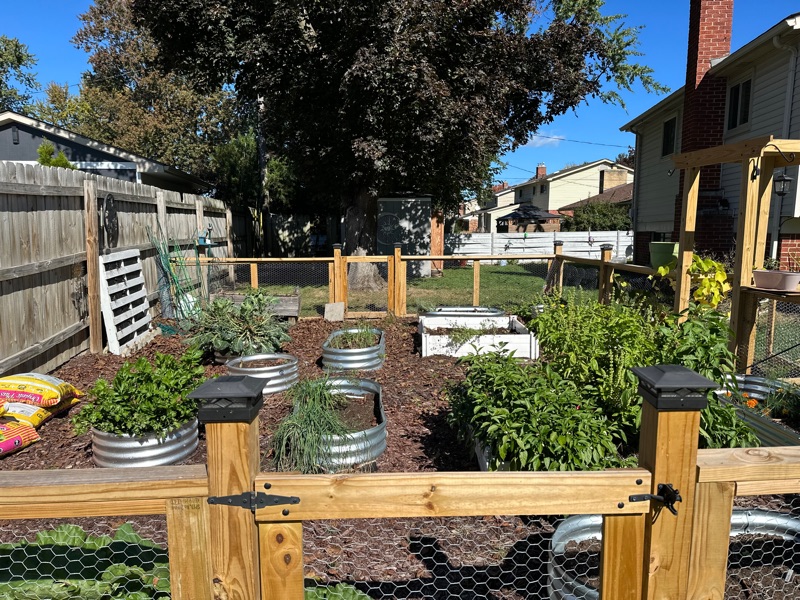
By early October, several of the big summer plants were gone, but there was still plenty happening in the garden.
This was something I had not really pictured when we planted in spring: one garden can have empty beds, finished crops, fall plantings and vegetables still producing all at the same time.
So, What Happened to the August Lettuce and Broccoli?
Back in August, we cleared out the zucchini and I decided to see if we could get another crop from that space by planting lettuce and broccoli.
Now I know the answer.
The broccoli was too late.
A few seedlings started, but bugs ate much of what came up and the plants never really went anywhere after that. I would not plant broccoli that late again here.
The lettuce did better.
The plants look healthy, but they have grown very slowly, and honestly they have not changed much since this photo was taken.
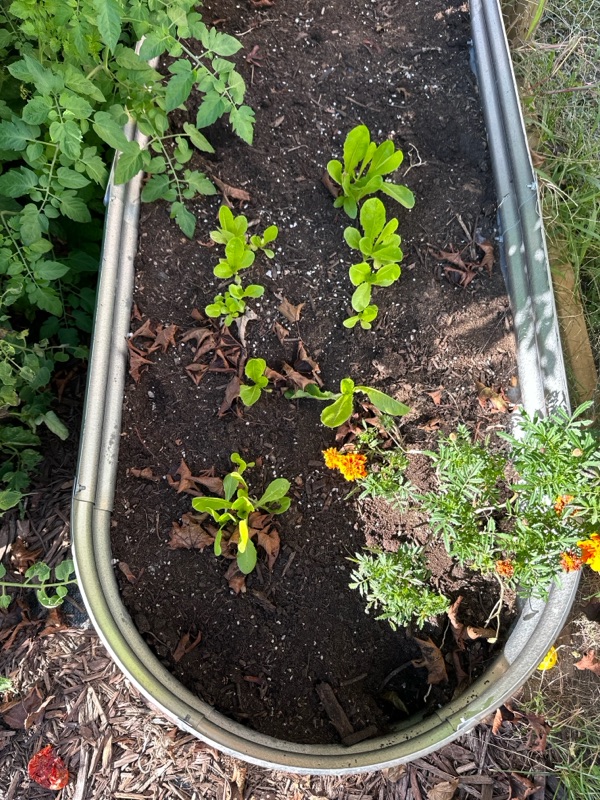
This is the lettuce from our August planting on September 24. It grew, just much more slowly than I hoped.
With our usual first frost getting closer, I do not think they are going to reach a full harvest in time.
And I am actually okay with that.
The whole reason I tried this was to find out what we could do with a bed after a summer crop was finished. Now I know that the idea works—I just need to start earlier.
Next year, the broccoli needs a much earlier start, and I would give the lettuce more time too.
I would rather try something, find out it was too late and adjust next year than leave the bed empty because I was afraid the timing might not be perfect.
The Potato Harvest Was One of My Favorite Surprises
Then there were the potatoes.
I planted about six Yukon Gold seed potatoes near the beginning of the season in one circular raised bed with a 2-foot radius.
After that, I really did not do much.
I watered them.
That was basically the whole potato-growing plan.
I did not hill them. I did not keep adding soil or straw. I did not have a special potato tower or some elaborate system. I planted them, watered them and let them grow.
So when we harvested them on September 24, I honestly did not expect much.
And then we started digging.
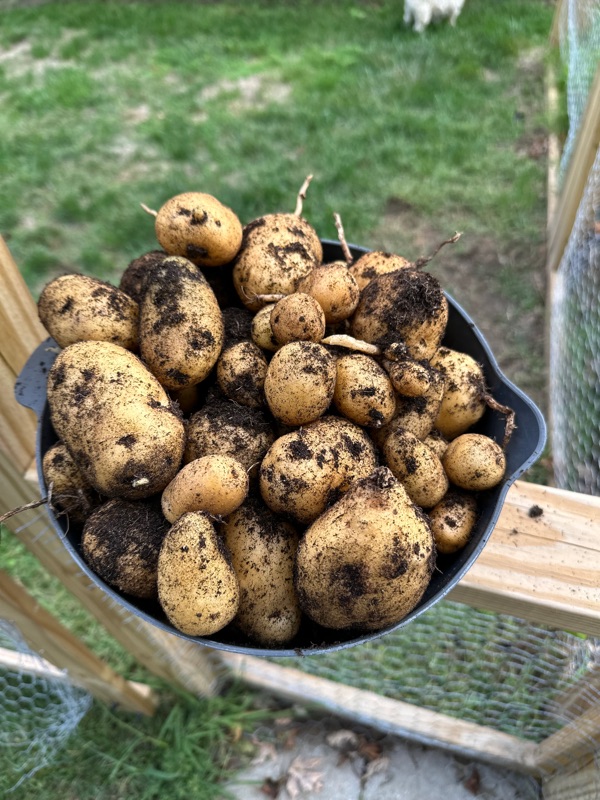
All of these Yukon Gold potatoes came from about six seed potatoes in one small circular bed.
Potato after potato came out of that little bed.
This was honestly one of the coolest things we harvested all year, mostly because I really did not think there was going to be much under there.
You can see tomatoes growing. You can watch peppers develop. Potatoes are different. The whole thing is happening under the soil, and you really do not know what you have until you start digging.
I was so pleasantly surprised.
Next year, potatoes are definitely coming back.
This time I want to give them a larger container that is more tailored to potatoes, and I want to try some of the things I read about but did not do this year—like hilling or mounding soil and hay as the plants grow.
I have no idea yet how much that will change our harvest, but considering what six seed potatoes gave us with almost no special treatment, I am excited to find out.
The Tomatoes Finally Reached the End
The tomatoes were a completely different experience.
They produced so much that I could not keep up with them.
We ate them fresh, made salsa, canned salsa, and still ended up with a freezer full of tomatoes because they were coming in faster than I could use them.
The Homemade Canned Salsa was one of my favorite things I made from the garden this year. It was delicious, and next year I already know I want to make more of it.
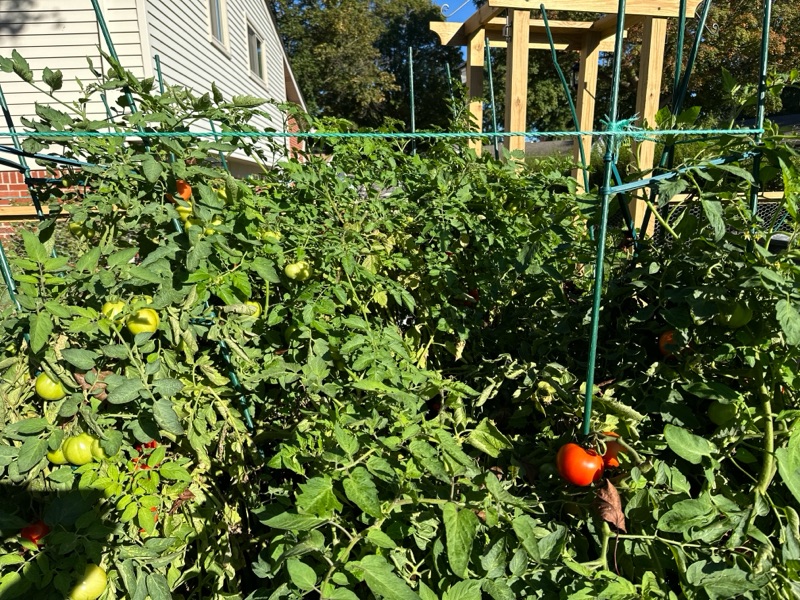
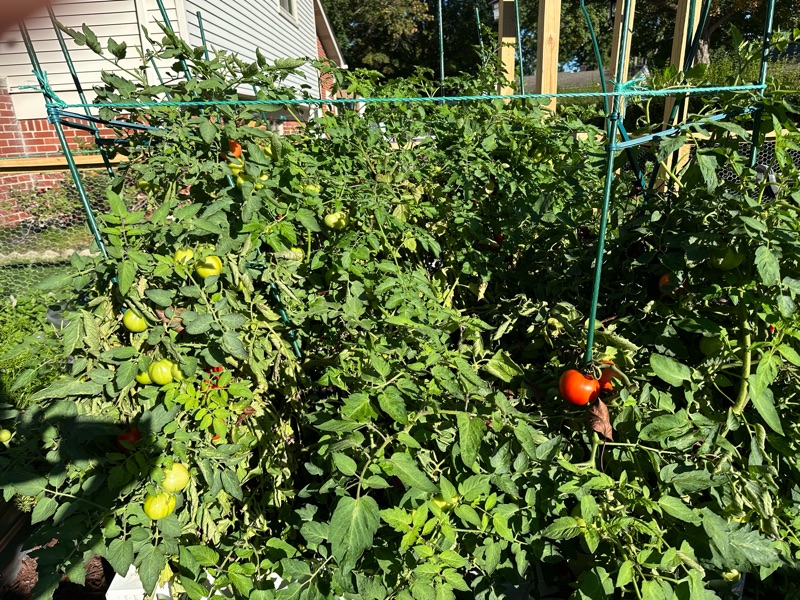
As September ended, though, more of the tomatoes were staying green instead of ripening.
By October 5, with our usual mid-October first frost getting closer, I decided it was time to pull the plants.
I picked everything that was left, including the green tomatoes, and put them into the freezer with the rest. In the coming weeks, those will become From-Scratch Spaghetti Sauce.
I was actually sad to pull the tomatoes.
They had become such a huge part of the garden that removing them changed the entire space.
But once they were gone, I could also see exactly what I want to fix next year.
Those round tomato cages did not work for plants this big.
Three Jalapeño Plants Were Way Too Many
If there is one thing I can say with complete confidence after this season, it is this:
We did not need three jalapeño plants.
The jalapeños just kept coming.
I had way more than we could reasonably use fresh, and they were still producing into October.
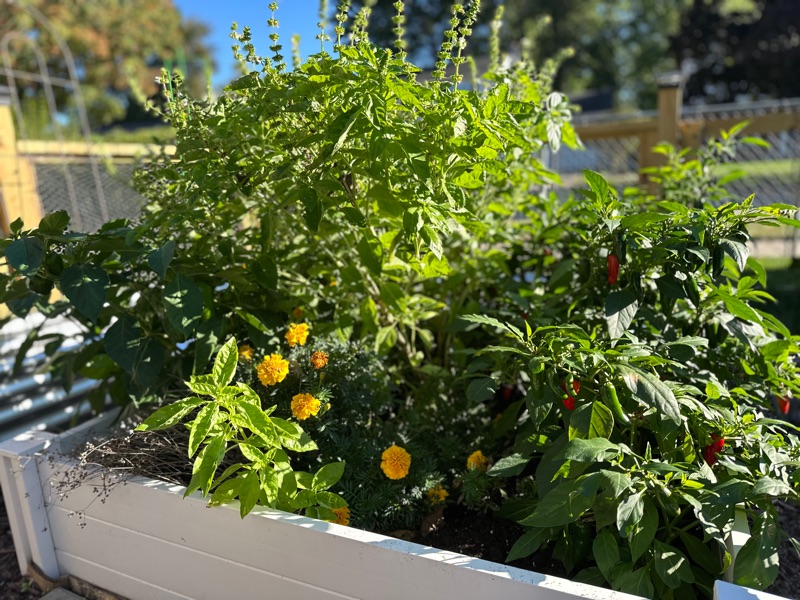
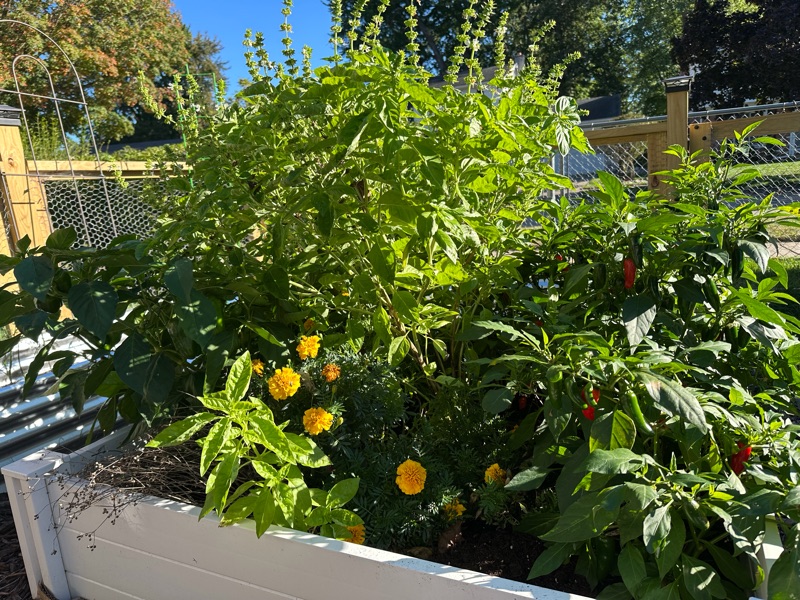
I am planning to make a batch of pickled jalapeños before our first frost finally shuts them down.
Next year I am planting one jalapeño.
Maybe two.
Probably one.
This is exactly the kind of thing I hoped the first garden would teach me. I can read about how many plants fit in a bed, but that does not tell me how many jalapeños our household actually needs.
Now I know.
The Crops That Really Earned Their Space
When I think back over the season, there are a few crops I keep coming back to because they produced well and we actually used what they gave us.
The zucchini and summer squash were huge producers early in the season.
The pickling cucumbers did great.
Our green beans were one of my favorites. They produced so well, and we ate so many of them.
The tomatoes were almost overwhelming in the best possible way.
And the peppers have been incredibly steady.
Those are the crops I want to pay attention to when I plan next year.
For me, the question is not just, Can I grow this?
It is also, Will we actually use it if I do?
The Carrots Need a Complete Redo
The carrots are going on the opposite list.
I let them get far too crowded, and most of the carrots we pulled were not really usable.
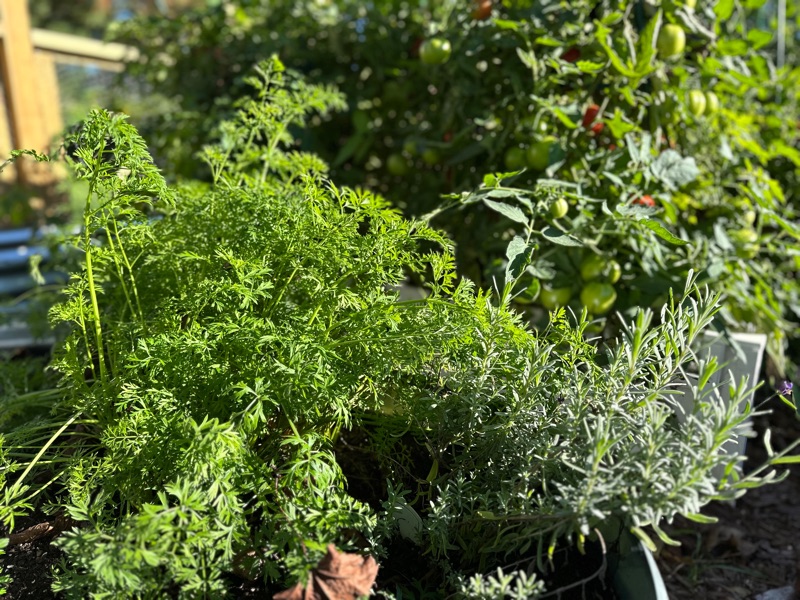
There was plenty of carrot foliage above the soil. Underneath was another story.
Next year I am going to do carrots completely differently.
This was one of those lessons that looked fine from the top of the bed. There was plenty of green growth, so it felt like things were happening.
They were.
Just not in the way I wanted.
Cabbage Gave Me Just Enough for One More Experiment
The cabbage did give us a few heads.
They are not especially big, but I think there is enough there for me to try making homemade sauerkraut this weekend.
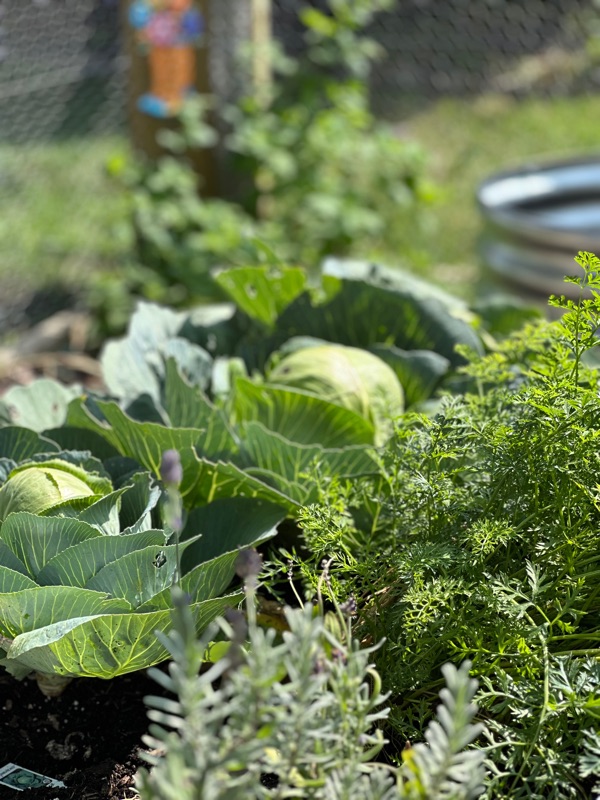
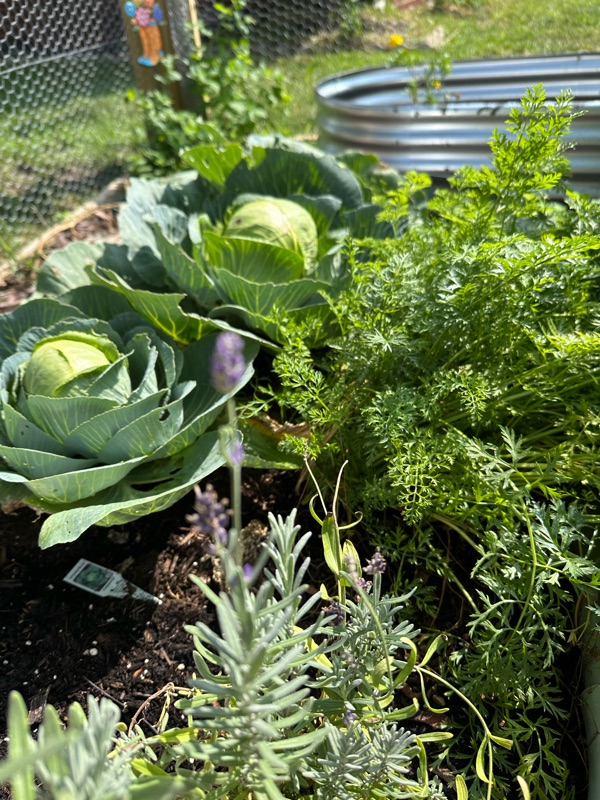
The cabbage was not one of our biggest producers, but there is something satisfying about taking even a small harvest and asking, What can I make with this now?
A Couple of Quieter Crops Were Still Going
Not everything in the garden demanded attention all summer.
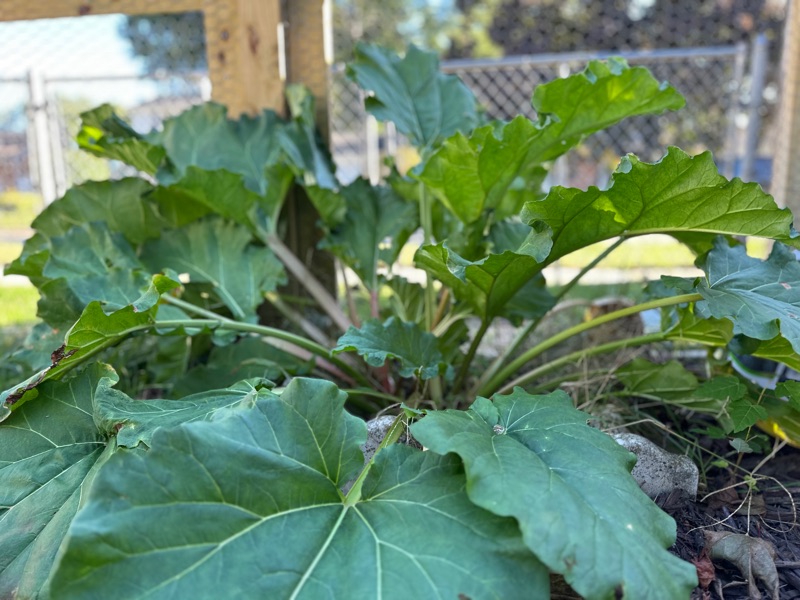
The celery and rhubarb were both much quieter crops, but for very different reasons.
Celery Was Another Plant-It-and-See Crop
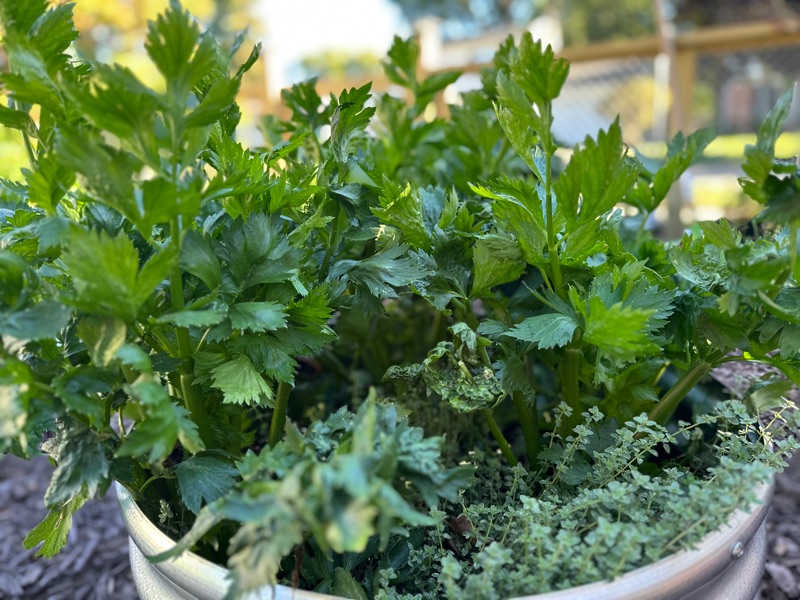
The celery was another crop I mostly planted and left alone.
It was a lot like the potatoes in that way.
I planted it, watered it and mostly let it do its thing.
I will harvest it before our first frost, and I am genuinely excited to see how it turned out.
I think those surprise crops have been some of the most fun this year—the ones I did not fuss over and then got to rediscover at harvest time.
Rhubarb Became a Family Favorite
The rhubarb was amazing.
I have already made two batches of strawberry rhubarb jam, and I may try to squeeze in one more.
That jam has become a favorite in our family.
The rhubarb gives the strawberries just enough tartness that the flavor is different from regular strawberry jam, and we really love it.
Next weekend I also need to look at what the rhubarb needs before winter.
It has absolutely earned a permanent place in the garden.
The Herbs Did Well—But I Would Grow Them Differently
Our oregano, sage, basil, thyme and mint all did really well.
Earlier in the season, I froze quite a bit of dill so I would have it later for pickles.
Before frost, I want to do one last big herb harvest.
I will dry the oregano, thyme and sage because I use a lot of oregano and thyme in my cooking, and I like having those herbs ready to use through the colder months.
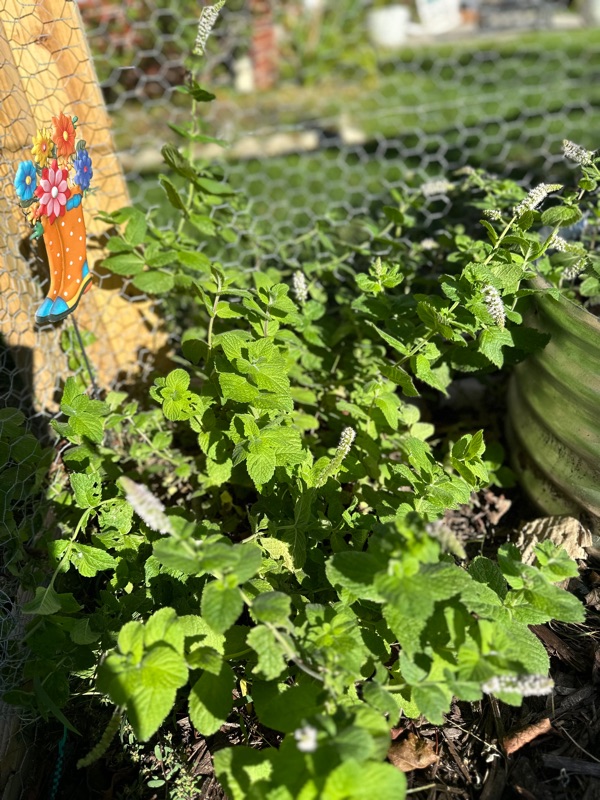
The mint was still green and flowering late in the season.
But even though the herbs did well overall, I do not think I will companion-plant most of them among the vegetables next year.
The vegetables simply took over too much of the space.
The cucumbers overwhelmed the dill, and the tomatoes made the oregano struggle.
Next year I want to give the herbs their own dedicated area.
I think I will get more from them that way, and I will actually be able to reach them without digging through a jungle of tomato or cucumber vines.
My Biggest Lesson: I Need to Plan Up, Not Just Out
If there is one thing I would change about how I planned this garden, it is that I thought a lot about where plants would sit in the beds and not nearly enough about where they would go once they started growing up.
Vertical growing became something I tried to solve after the plants were already huge.
Next year I want it to be part of the plan from the beginning.
I want to try cattle-panel trellises for the cucumbers.
For the tomatoes, I want to try two cattle panels running parallel to each other about 18 inches apart, with the tomatoes growing between them instead of fighting those little round cages all summer.
I also want to experiment with growing zucchini and summer squash more vertically so they do not spread across so much of the bed.
Basically, I want to plan for the plant I will have in July and August—not the tiny plant I am looking at in May.
I learned this one the hard way: the little seedling you plant in spring is not the plant you need to make room for.
Not Everything Worked—and I’m Fine With That
The pumpkins never produced fruit.
The late broccoli planting failed.
The carrots were much too crowded.
The tomato cages were not enough.
Some of the herbs got swallowed by the vegetables around them.
And three jalapeño plants were, apparently, a lifetime supply of jalapeños.
But when I look at the garden now, none of that makes me feel like the season failed.
It makes me feel like I have a much better plan for next year.
I’m Sad to Pull It Out—and Excited to Start Again
I really am sad to start removing everything.
We watched these beds go from bare soil to completely full, and after looking at all that green for months, the open spaces feel strange.
But I am also excited.
Clearing things out lets me see the garden again, and I cannot stop thinking about what I want to change.
I want better vertical systems from the start.
I want a dedicated herb area.
I want a bigger potato container.
I want fewer jalapeños.
I want to completely rethink the carrots.
And next year I want to start adding fruit.
I am hoping to add a raspberry bush and a blackberry bush, and I am really interested to see what our grape vines do as they mature another year.
So even while this garden is winding down, I am already excited about the next one.
The Garden Is Not Quite Finished Yet
This is not the final garden update of the year.
The onions are sprouting.
The lettuce is still hanging on.
The peppers are still producing.
The celery still needs to come out.
I still have herbs to harvest, dry and freeze.
There may be one more batch of strawberry rhubarb jam.
And eventually, frost will make some of the final decisions for me.
When that happens, I want to come back one more time and look at what is left after our first garden season is truly finished—what we harvested at the very end, what survived, what did not, how we put the beds to sleep for winter, and what I want to carry into next year.
For now, though, I am mostly just proud.
Not everything worked.
But so much more worked than I expected.
And I think that may be my favorite part of this whole first season. We did not have to know exactly what we were doing before we started. We planted things, paid attention, used what grew, learned from what did not, and now we get to make the garden a little better next time.
A Bit More Homemade
You do not have to have the perfect garden plan before you start. Plant something you will use, pay attention to what happens, and let the garden teach you what to try next.
You don’t have to do everything. Just start with something—and make your home a bit more homemade one change at a time.
Garden photographs in this article are ABMH Original Photos from our suburban Michigan garden, photographed September 24 and October 5, 2026.


Comments
Post a Comment